
Snowy walks can be beautiful, and most dogs love exploring the winter world, but cold weather brings real risks to their paws. Between icy surfaces, freezing temperatures, and harsh sidewalk chemicals, it’s important to keep your dog protected each time you head outside.
Below is a breakdown of how snow, ice, and salt affect your dog’s paws and what you can do to reduce irritation, prevent injury, and keep your dog comfortable during cold-weather walks.
Why Winter Conditions Can Harm Your Dog’s Paws
Even a short walk in cold weather can cause problems for your dog’s paw pads, particularly in regions with snow, ice, and frequent use of de-icing products. Paw pads are tough, but they are still living tissue and can be damaged by repeated exposure to freezing temperatures, moisture, and chemicals. Dogs that walk on untreated snow, icy sidewalks, or salted pavement day after day may experience cumulative irritation that worsens over the course of the winter.
Common issues include:
- Dryness, cracking, and chapping: Cold air holds less moisture, and repeated contact with frozen or abrasive surfaces pulls natural oils from the paw pads. Over time, this can lead to rough texture, painful cracks, and even bleeding, similar to how human skin becomes chapped in winter.
- Snow and ice buildup: Snow can pack tightly between the toes and around the pads, especially in dogs with longer fur. These ice clumps stretch and rub the skin, causing irritation and making walking uncomfortable or painful. Some dogs may limp or stop frequently to try to relieve the discomfort.
- Frostbite risk: Prolonged exposure to freezing temperatures can reduce blood flow to the paws, increasing the risk of frostbite. The toes and edges of the paw pads are particularly vulnerable, and early signs may include pale or bluish skin, swelling, or sensitivity to touch.
- Chemical exposure: Sidewalk salt and de-icing agents can burn paw pads, causing stinging and inflammation. If these substances remain on the paws after a walk, dogs may lick them off, potentially leading to stomach upset, drooling, or vomiting.
The good news? There are a few simple, effective ways to prevent these problems.
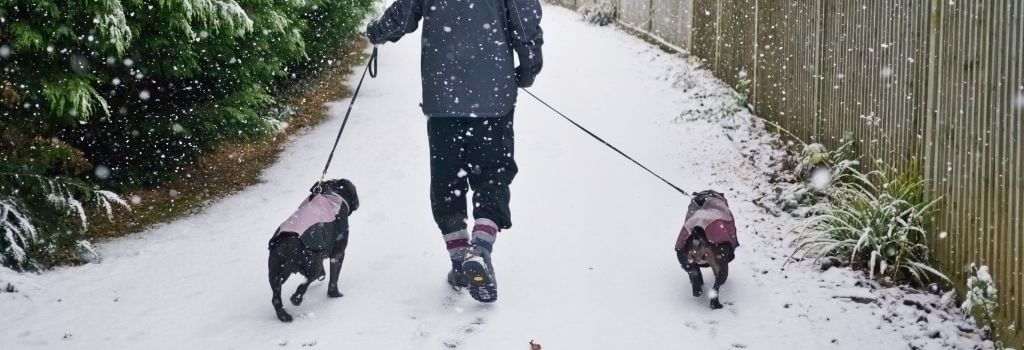
1. Dog Boots: The Best Protection for Winter Walks
Dog boots are the most reliable way to keep paws safe from ice, salt, and extreme cold. Just like our winter boots, they create a barrier that keeps the elements out and prevents snow from collecting between the toes.
Tips for success:
- Let your dog practice wearing the boots indoors so they get used to the feeling.
- Reward them with treats to build a positive association.
- Make sure the boots fit snugly but aren’t so tight that they alter your dog’s gait.
- If the boots stay on through walking or running and don’t rub, they’re the right fit.
2. Paw Balms and Petroleum Jelly Barriers
If your dog isn’t a fan of boots, paw balms and petroleum jelly–based products provide a protective alternative. Paw balms work by moisturizing a dog’s paw pads and forming a protective barrier between them and harmful or rough surfaces like snow and ice. Petroleum jelly can serve as a simple alternative, sealing in moisture and creating a temporary barrier that helps prevent direct contact with ice melt chemicals and reduces snow and ice buildup between the toes.
Products like Musher’s Secret or plain Vaseline can help protect a dog’s paws from snow and ice by:
- Creating a barrier that prevents ice, snow, and salt from sticking
- Adding moisture to prevent cracking
- Protecting the skin between the toes
To use paw balms or jelly barriers on your dog’s paws, apply a generous layer before walks and wipe off any residue afterward to keep your floors clean.
3. Always Wipe Your Dog’s Paws After Walks
Even if your dog wears boots or balm, wiping their paws is an essential step after every winter outing. Even short walks or romps around the yard can expose paw pads to salt, ice melt chemicals, moisture, and grit that cling to the skin and fur between the toes. If left behind, these substances can dry out the pads, cause redness or cracking, and increase the risk of your dog licking their paws excessively, which may lead to digestive upset or skin infections.
Using a towel to thoroughly dry each paw also helps reduce moisture buildup that can contribute to chapping or fungal growth. When your dog has walked through heavily treated areas, a quick rinse with warm (not hot) water before drying can help remove residue more completely and keep paw pads healthier throughout the winter.
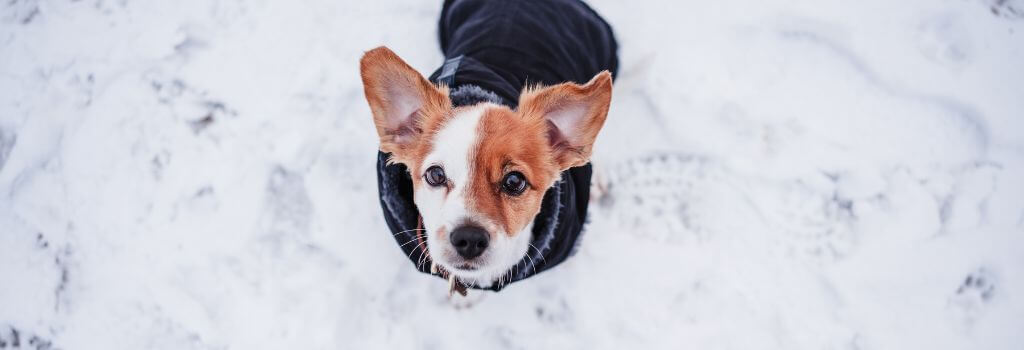
4. Create a Safe Bathroom Path at Home
For quick trips outside, boots and balm may feel like overkill. You can make winter potty breaks easier by shoveling a clear path in your yard and spreading straw over it. This helps:
- Keep paws dry
- Reduce contact with ice or snow
- Keep clean-up simple
This not only keeps paws drier and more comfortable but also reduces slipping and makes it easier for dogs with arthritis or mobility issues to navigate outdoors. A consistent path can also discourage wandering into icy or heavily compacted areas, making bathroom trips faster, cleaner, and less stressful for both you and your dog during cold weather.
Keep Paws Clean, Dry, and Protected
It doesn’t always matter how you choose to protect your dog’s paws this winter; do what works best for you and your pet! And remember, keeping an eye on the state of your dog’s paws daily will make the biggest difference. Check for ice buildup, rinse off chemicals, and watch for early signs of dryness or cracking.
And on the coldest, windiest days, when even the bravest dogs hesitate at the door, indoor enrichment can help burn energy. Try rotating puzzle toys, snuffle mats, or simple brain games to keep them entertained until the weather breaks.
If you have questions and you'd like to reach out to us, you can call us directly at (303) 625-9266, or you can email us at [email protected]. Don't forget to follow us on social media Facebook, Instagram.